

What are Dental Veneers?
Thin shells used to adjust tooth shape & colour
Veneers are thin, tooth-coloured shells placed over the front surface of teeth to improve shape, colour, symmetry, and smile balance. The goal isn’t to give you a generic look—it’s to create a result that fits your face, your speech, and the way you live day to day.
Veneers work best when the process is built around planning. That means clear records, digital smile design, material selection, previewing proportions, and careful placement—so the final result looks natural under real lighting, in photos, and in everyday conversation.
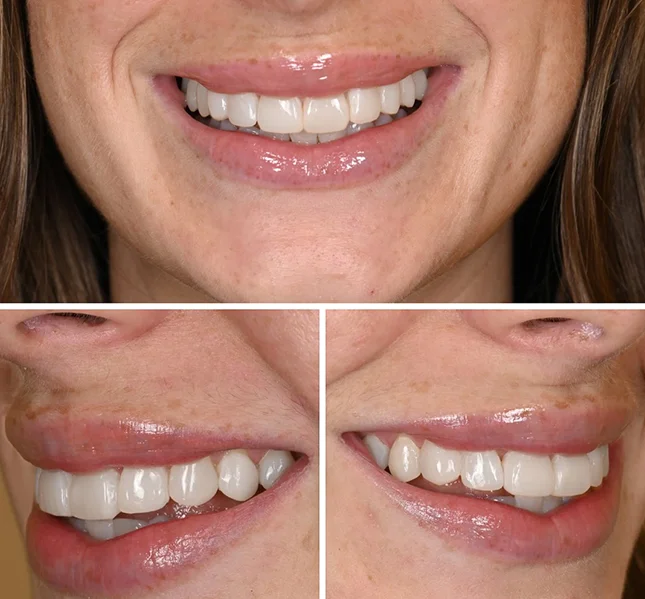
Planned in Detail—Not a Quick Cosmetic Add-On
Veneers are expensive because they’re custom restorations, not a quick cosmetic fix. Fees often include a consult and smile assessment, photos, digital scans or impressions, shade selection, and either lab-made porcelain or direct composite layering—planned to suit your facial features, phonetics, and tooth display.
Much of the cost comes from planning and lab work: diagnostic records, digital smile design or wax-up, material selection, try-in, and adhesive bonding. Depending on enamel and occlusion, minimal reduction, provisionals, and bite checks may be needed to reduce chipping, debonding, or gum irritation.
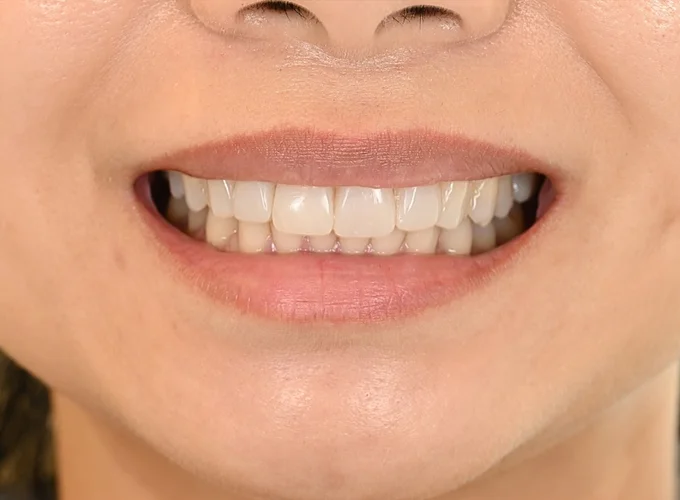
Our Services
- Aspirational. Empowering. Transformative.

How Veneer Treatment Is Planned
Veneers are commonly used to correct:
Chips and uneven edges
Gaps and spacing
Teeth that look worn, short, or unbalanced
Stains that don’t respond to whitening
This planning phase helps determine whether minimal preparation will achieve the intended outcome without adding bulk or affecting function.
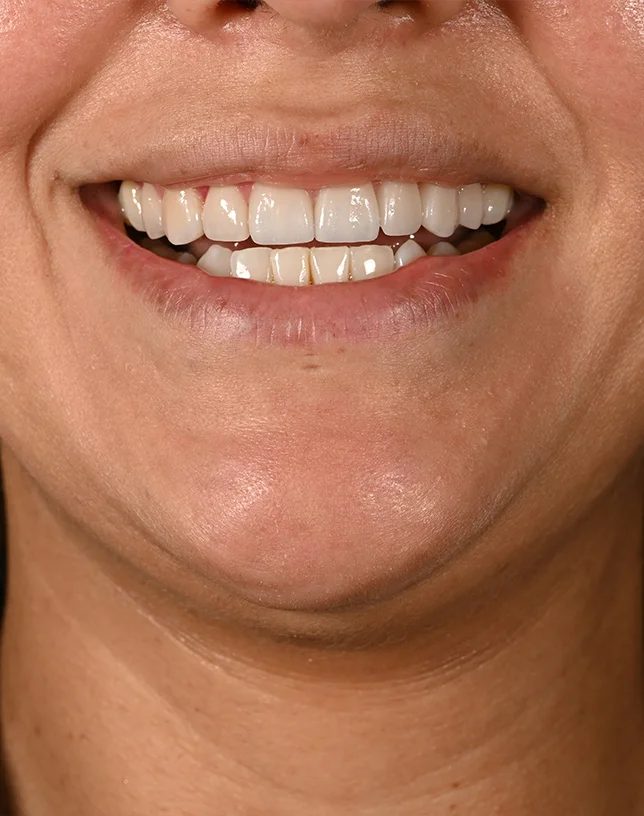
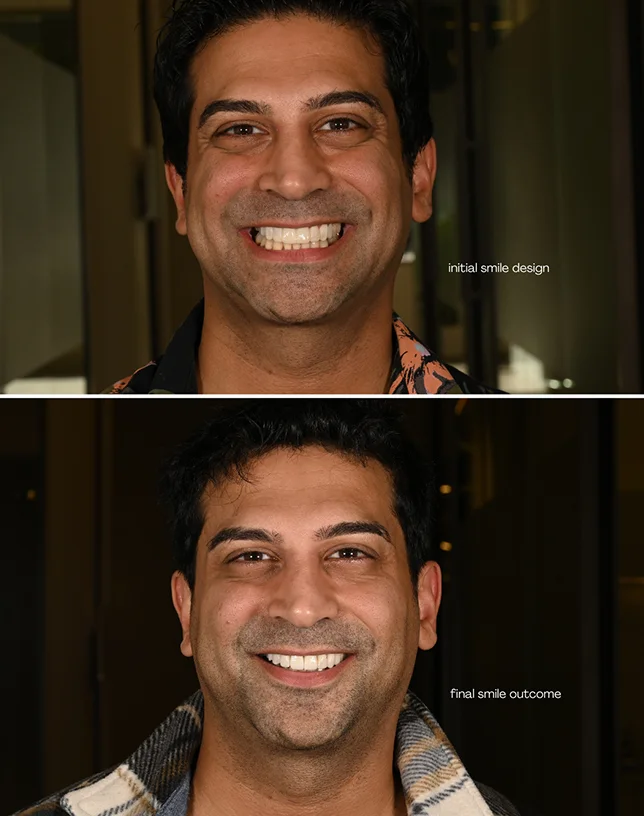
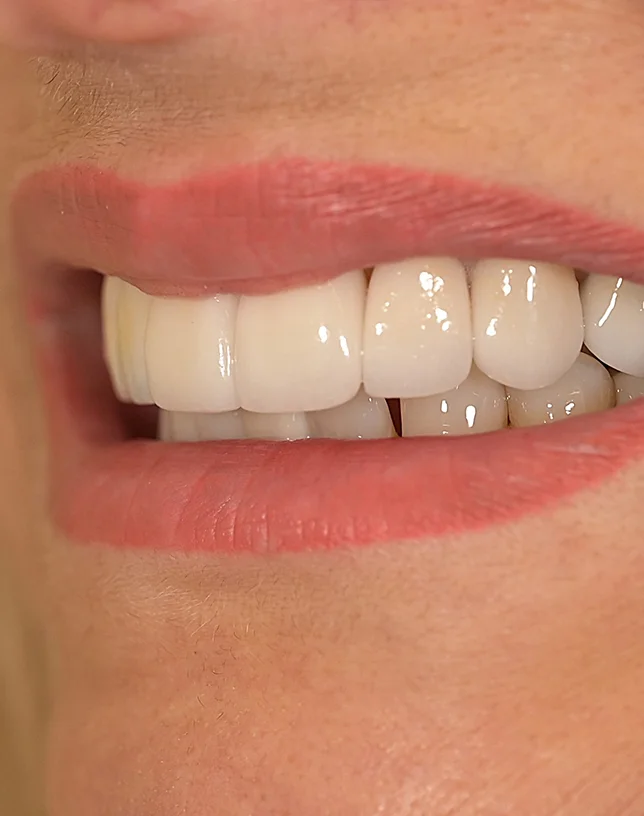
Assessment of tooth alignment, enamel thickness, and bite
Assessment of tooth alignment, enamel thickness, and bite
Assessment of tooth alignment, enamel thickness, and bite
Assessment of tooth alignment, enamel thickness, and bite
Assessment of tooth alignment, enamel thickness, and bite
Have Questions? Speak With Our Team
Contact us to discuss your concerns and available treatment options.
Discuss Your Treatment Plan
We will review your findings and outline appropriate treatment options.
Contact the Clinic Directly
Call 604-227-8897
Email hello@thesmileformula.com
- FAQS
Veneers FAQs

How do I know if veneers are right for me?
If you’re unhappy with shape, spacing, worn edges, or colour that whitening can’t fix, veneers may be a fit. The right approach depends on tooth structure, bite, and goals.
What’s the difference between porcelain and composite veneers?
Porcelain (ceramic) veneers are made for a refined finish and strong stain resistance. Composite veneers use resin material and can be ideal in certain cases depending on the type of change you want.
Do no-prep veneers exist?
Yes, but only certain smiles qualify. No-prep veneers rely on your natural tooth position, bite, and how much change is needed. This is confirmed during evaluation.
Will veneers look too white or obvious?
They shouldn’t. Proper planning focuses on balanced proportions, controlled brightness, and natural surface detail so your smile looks real in conversation and photos.
How do I maintain veneers long-term?
Routine hygiene, exams, and post-cosmetic cleanings help protect veneer results. If you have implants, implant-safe cleanings support long-term stability.
Explore The Smile Membership
For individuals who want steady care, predictable visits, and consistent support for long-term oral health and cosmetic maintenance.